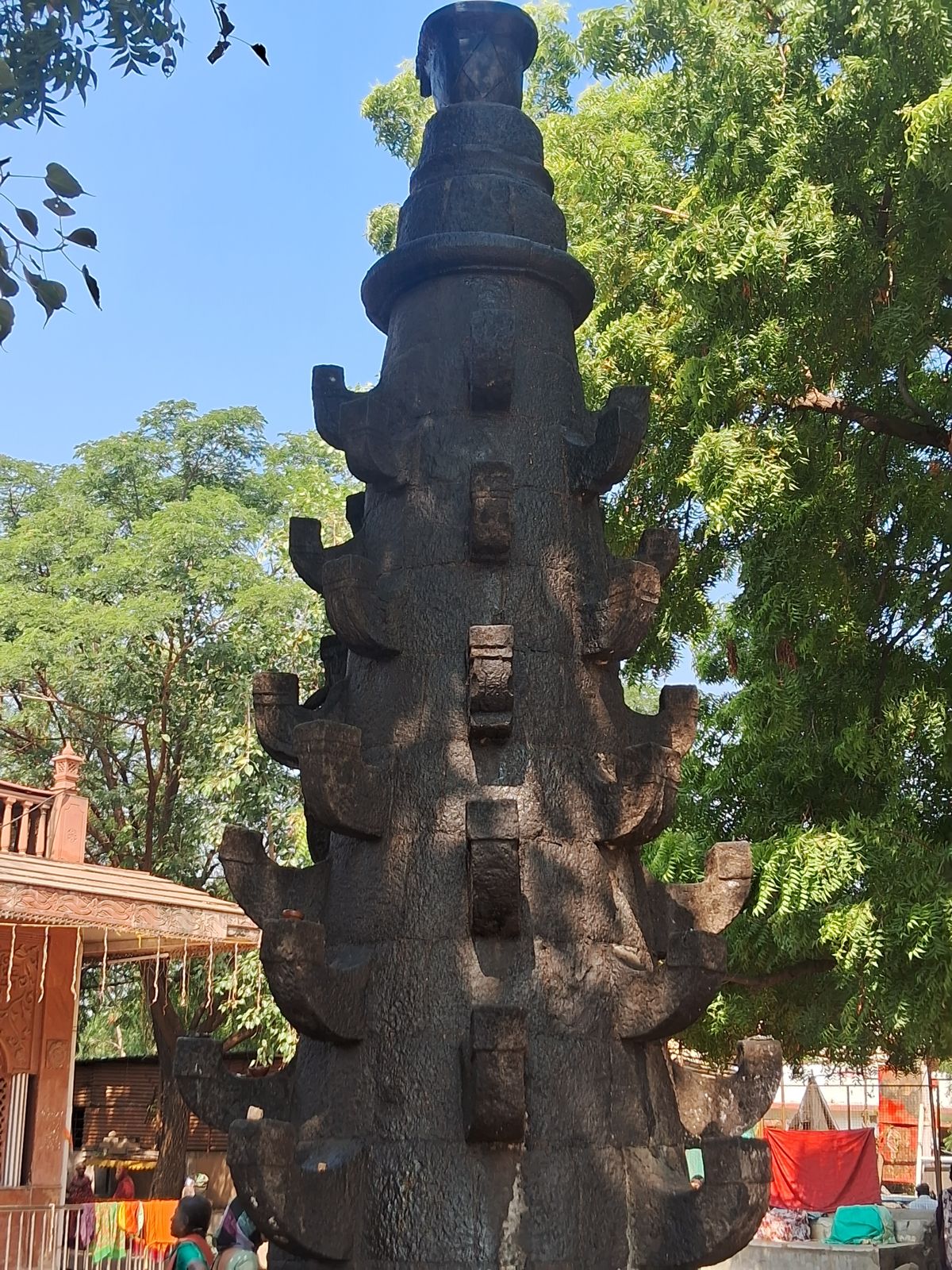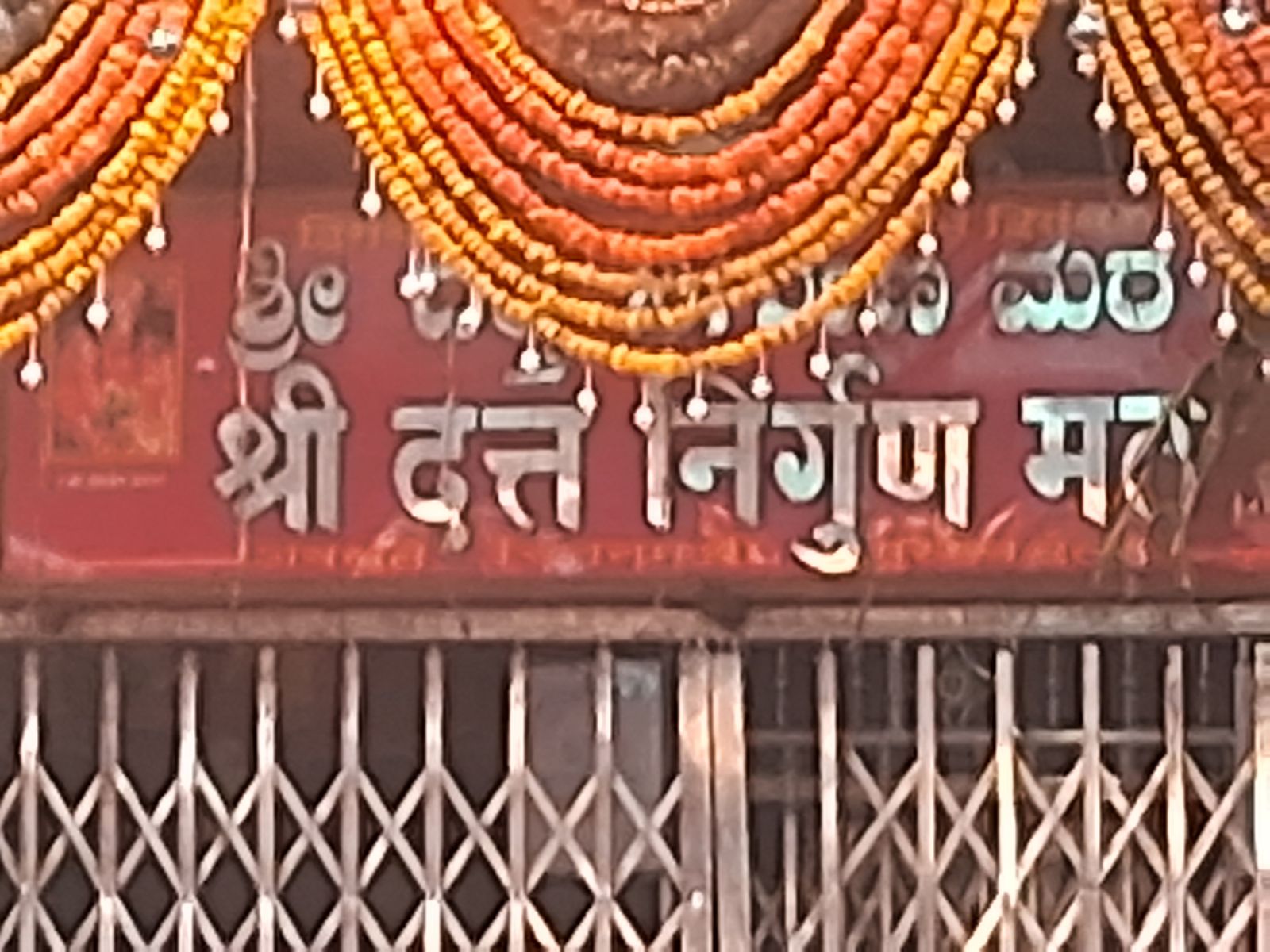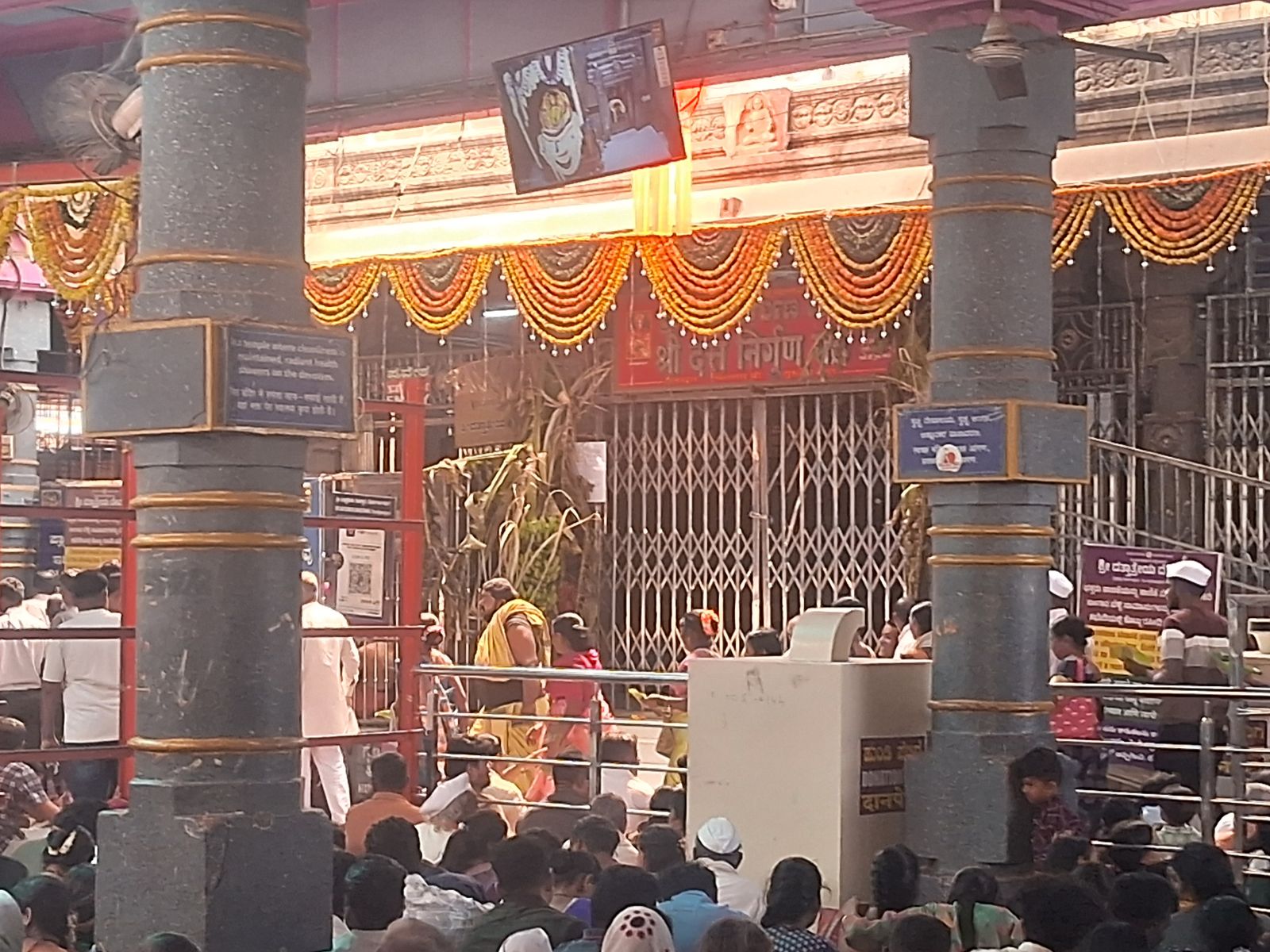
Ganagapur, Karnataka
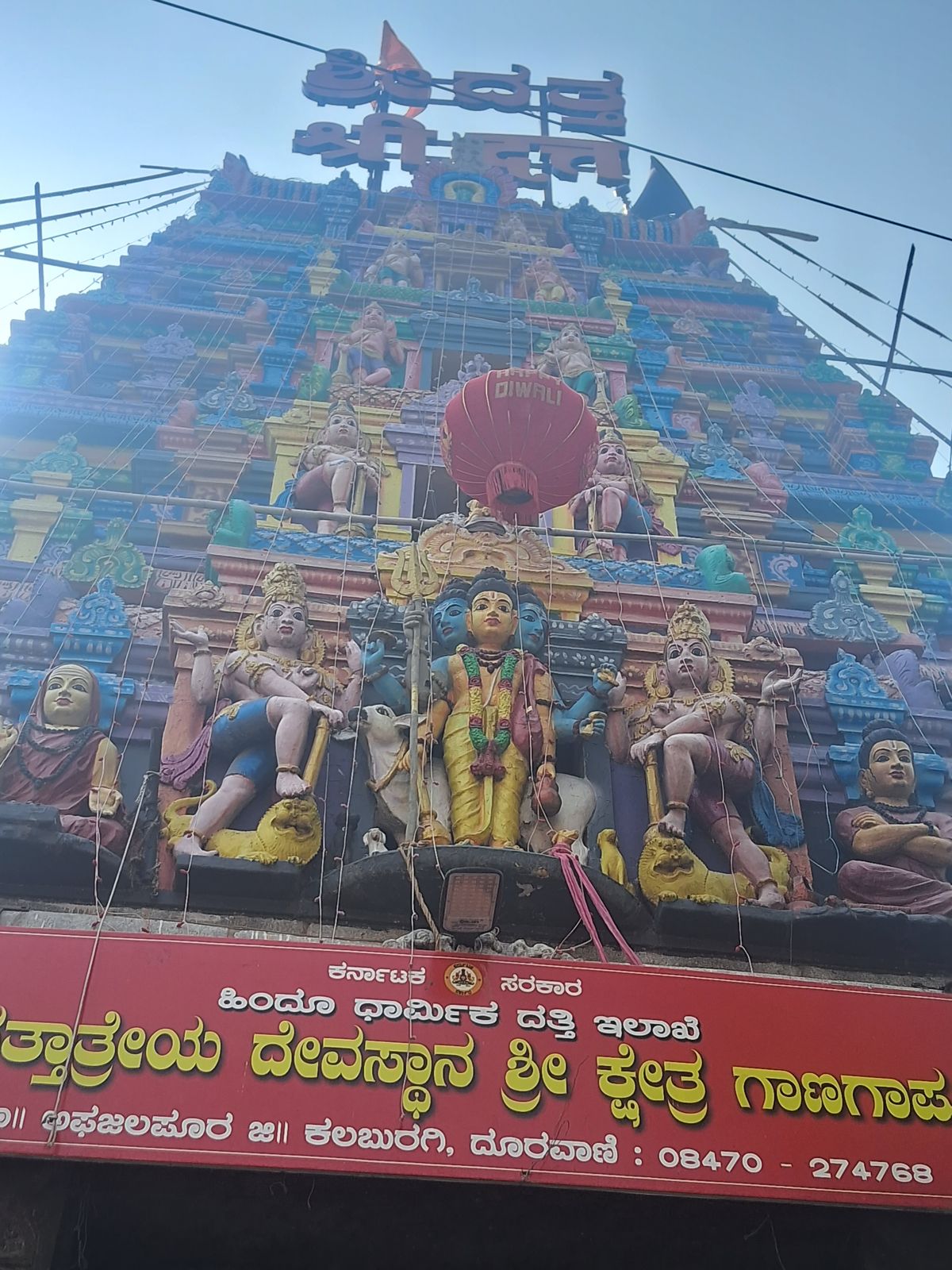
Location: Afzalpur taluka, Kalaburagi (Gulbarga) district | Connection: Shri Nrusinha Saraswati's stay of about 23–24 years; Gurucharitra Ch. 22–51
An old, barren buffalo that has never given milk in her life. A sannyasi comes to the door and says, "Mother, give me her milk as bhiksha (alms)." With that one sentence, a small village on the Bhima–Amarja sangam became the principal seat of Datta devotees. More than half the chapters of the Gurucharitra take place in this village. This village is Ganagapur, where, in the faith of crores of devotees, Shri Nrusinha Saraswati still dwells in the form of the "Nirguna Padukas".
Main stories
| Chapter | Story |
|---|---|
| 22 | A poor Brahmin's barren, old buffalo gives milk. With this news Shri Guru became famous. |
| 23 | A brahmarakshasa is liberated. The village chief of Ganagapur came with a palkhi and built a math. |
| 24 | The critic Trivikram Bharati (of Kumasi) receives the vision of the cosmic form (Vishwaroop darshan). |
| 25–29 | The challenge of the proud Brahmins; the Vedas from the mouth of a Matang man; the glory of sacred ash. |
| 30–32 | A dead husband brought back to life; teaching on the dharma of a devoted wife. |
| 38 | From Bhaskar the Brahmin's small ration, 4,000 people are fed. |
| 39 | Children for 60-year-old Ganga (service of the ashvattha tree). |
| 40 | Narahari the leper; a dry audumbar log sprouts leaves. |
| 43 | Tantuk the weaver gets darshan of Shrishail in an instant. |
| 46 | At Diwali, present in seven disciples' homes at once. |
| 47 | A farmer's cut jowar crop yields a hundredfold harvest. |
| 48 | Sister Ratnai's leprosy is cured by bathing in the eight tirthas. |
| 50 | The Badshah of Bidar's illness is cured. |
The story
Milk from a barren buffalo (Ch. 22)
When Shri Guru came to Ganagapur, no one knew who he was. He did his religious observances at the sangam and at midday begged bhiksha at a few houses. In the village lived a very poor, virtuous Brahmin. He had only one buffalo, and she was old and barren. The family somehow survived by using her to carry loads.
One day Shri Guru came to that door. The Brahmin was not at home. His wife was embarrassed; there was nothing in the house to give. Shri Guru said, "Mother, there is a buffalo at the door. Give me her milk as bhiksha." She said, "Swami, she is barren. She has never given milk." Shri Guru laughed: "Do not doubt. Take a vessel and go." She touched the udders and streams of milk began to flow! She boiled the milk and offered it to Shri Guru. From that day the buffalo gave plenty of milk every day, the family's poverty ended, and the news reached the village chief (gramadhipati).
The brahmarakshasa liberated, and the math (Ch. 23)
The village chief came to the sangam with a palkhi, musicians and a retinue and asked Shri Guru to come into the village. Honouring his devotee, Shri Guru sat in the palkhi. On the way, in an ashvattha (peepal) tree, lived a terrible brahmarakshasa; in a previous life he had been a Brahmin proud of his learning and fallen from right conduct. As the palkhi came near, he came down, prostrated and said, "Swami, liberate me!" People drew back in fear. Shri Guru placed his hand on his head and said, "Bathe in the sangam." As soon as he bathed, he was freed from that existence. The village chief built a math for Shri Guru, and from then on Ganagapur became the principal kshetra of Datta devotees.
Bhaskar's ration (Ch. 38)
A poor Brahmin named Bhaskar had come, having begged a little from house to house, with a ration enough for three people. He wished to offer bhiksha to Shri Guru, but every day some rich host held a feast, and his ration lay in a corner. According to tradition, people kept mocking him for about three months.
One day Shri Guru announced before everyone, "Bhaskar, today our bhiksha is at your place." Bhaskar was frightened, but obeyed and cooked rice, dal and a little ghee. Shri Guru covered the food with his own cloth and said, "Invite the whole village. Keep taking it out from under the cloth and serving." Row after row sat down to eat, but the food did not run out. According to tradition, about four thousand people ate their fill, and the leftover food was given to the creatures of the river.
Children for sixty-year-old Ganga (Ch. 39)
Ganga, the wife of the Brahmin Somnath, had reached sixty, but she had no children. Every day she served Shri Guru without any desire. One day Shri Guru asked, "What is your wish?" She said, "May I have children at least in my next life." Shri Guru laughed: "Why wait for the next life? It will happen in this very life." He told her to serve the ashvattha tree at the sangam. People laughed, but Ganga did not give up her service. In due time she had a daughter and a son.
A dry log sprouts leaves (Ch. 40)
A learned Brahmin named Narahari was afflicted with leprosy. Shri Guru gave him a dry piece of audumbar wood lying near the math: "Plant this at the sangam and water it every day. The day it sprouts leaves, your disease will go." People said, "Does dry wood ever sprout?" Narahari served without doubting. One day Shri Guru himself came and sprinkled water from his kamandalu on the log. It sprouted green leaves, and at that very moment Narahari's body became healthy. He later became a devoted disciple of Shri Guru.
Diwali in eight places (Ch. 46)
At Diwali seven disciples of Shri Guru came from different villages, and each separately requested, "This year please spend Diwali at our home." Shri Guru said "yes" to each of them. He also reassured the devotees of Ganagapur. After Diwali all seven disciples returned, and each one said, "Shri Guru was with me!" The villagers said, "But he was right here in the math all through Diwali." Then everyone realised that Shri Guru had taken form in eight places at the same time. Shri Guru said, "Do not quarrel over me; I belong to all."
The harvest of the cut jowar (Ch. 47)
A farmer whose field lay on the way to the sangam prostrated fully before Shri Guru every day. One year his jowar (sorghum) crop came up excellently. Shri Guru said, "Before I return, cut down this whole standing crop." His family wailed and the village called him mad, but he obeyed. A few days later a storm and heavy rain destroyed every crop in the area, but his cut stalks put out new shoots and gave a hundredfold harvest.
Ratnai and the eight tirthas (Ch. 48)
At his disciples' request, Shri Guru showed them the eight tirthas (Ashtatirtha) along the sangam. At the Papavinashi tirtha he met his sister from his life before sannyas, Ratnai; she had contracted leprosy. "Brother, why must I suffer this?" Shri Guru said, "This is the fruit of your own past karma. Bathe in this tirtha every day with faith." She obeyed and within a few days was free of the disease.
The Badshah of Bidar (Ch. 50)
The Badshah of Bidar had an incurable abscess on his thigh. On a Brahmin's advice he came to Ganagapur and humbly went on foot to the sangam. Shri Guru smiled and said, "Rajak (washerman), where have you been all these days?" In an instant he remembered his previous life: the ghat at Kuravapur, washing Shripad's clothes, and the boon of kingship. By Shri Guru's gracious glance the abscess vanished. The Badshah took Shri Guru to Bidar in a palkhi and honoured him. On returning, Shri Guru said, "Now the crowds will grow. We are thinking of withdrawing from view." And he set out for Shrishail (Shrishail and Kardalivan).
Stories and lessons
| Story | Lesson |
|---|---|
| Milk from a barren buffalo (Ch. 22) | Even in poverty, do not say "no" to a guest. One who offers what he has receives grace in abundance. |
| The brahmarakshasa liberated; the village chief built the math (Ch. 23) | No being is beyond redemption. When those with power put it to the service of holy people, society is built. |
| Trivikram Bharati's pride melted away with the vision of the cosmic form (Ch. 24) | Do not criticise saints by their outer appearance. Pride in scholarship stands in the way of knowledge. |
| The Vedas from a Matang's mouth; the proud Brahmins are cursed (Ch. 27) | Learning comes not by birth but by grace and worthiness. Pride in learning leads to downfall. |
| A dead husband brought back to life (Ch. 30–32) | Do not give up courage and faith in grief. Once the impermanence of the body is understood, sorrow grows lighter. |
| 4,000 fed from Bhaskar's small ration (Ch. 38) | Keep the will to share even when you have little. Food never runs short in a home blessed by the Guru. |
| Children for 60-year-old Ganga (Ch. 39) | Never say "it is too late now". Faithful service brings about even what seems impossible. |
| A dry log sprouts; Narahari is cured (Ch. 40) | Do not abandon the Guru's command even if people laugh. Worship done without doubt bears fruit. |
| Tantuk gets darshan of Shrishail in an instant (Ch. 43) | Service to the Guru is itself the tirtha. To one who stays near the Guru, the tirtha comes of its own accord. |
| At Diwali, in seven disciples' homes at once (Ch. 46) | The Guru is all-pervading. That every devotee feels "the Guru is mine alone" is itself grace. |
| A hundredfold harvest from the cut jowar (Ch. 47) | As the faith, so the fruit. Trust the Guru's word even when you see an immediate loss. |
| Ratnai's leprosy cured by bathing in the tirtha (Ch. 48) | Even the Guru's sister must bear the fruit of karma. Not kinship but karma and worship decide. |
| The Badshah of Bidar's illness cured (Ch. 50) | The Guru's grace is beyond religion and caste. The Guru does not forget a boon he has given, even across lifetimes. |
Significance
- Most of the miracles of the Gurucharitra took place here. It is the principal seat of the Datta sampradaya.
- When leaving for Kardalivan, Shri Guru promised that he would always dwell at Ganagapur: bathing in the sangam, doing his observances under the ashvattha, and taking bhiksha in the village.
- Devotees perform seva and religious observances here for relief from possession by spirits, incurable illness and for children. There is a custom here of begging madhukari (alms of cooked food) at five houses.
- The Bhima–Amarja sangam and the eight tirthas (Shatkul, Narasimha, Bhagirathi, Papavinashi, Koti, Rudrapad, Chakra, Manmatha) are here.
- Did you know? According to the Gurucharitra, the Amarja river arose from amrut (nectar): when Indra sprinkled amrut on the gods slain in battle with the demon Jalandhar, this river began to flow from the drops that fell on the earth (Ch. 48).
History
- In keeping with the promise he gave Sayamdev on the banks of the Godavari ("In some years I will live at Ganagapur on the Bhima–Amarja sangam"), Shri Guru came here from Narsobawadi.
- Saraswati Gangadhar, the author of the Gurucharitra, was of Sayamdev's line. Sayamdev came to Ganagapur in his old age and stayed in Shri Guru's service (Ch. 41), and this book is believed to be the fruit of the boon "Devotion to me will continue unbroken in your line".
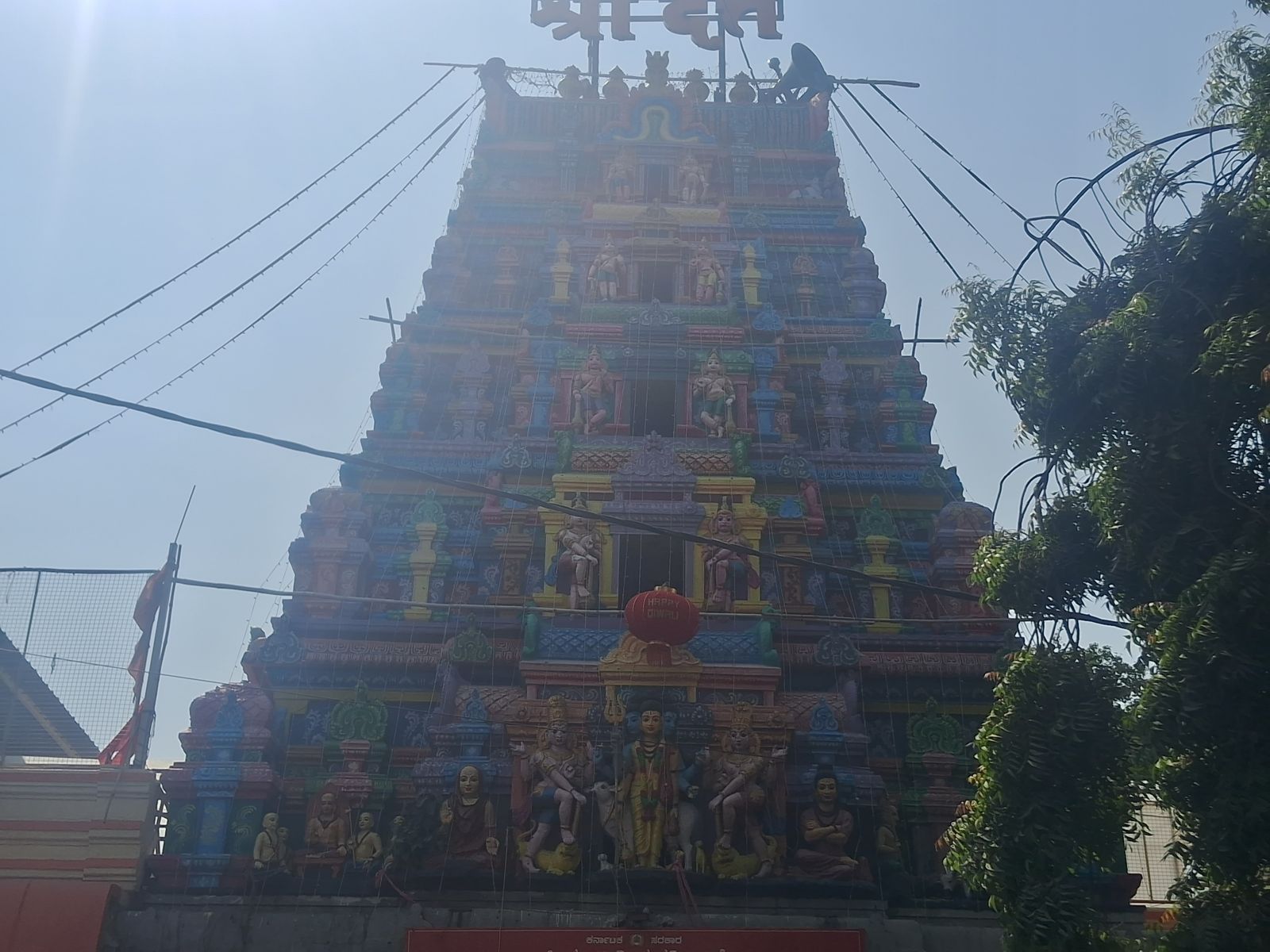
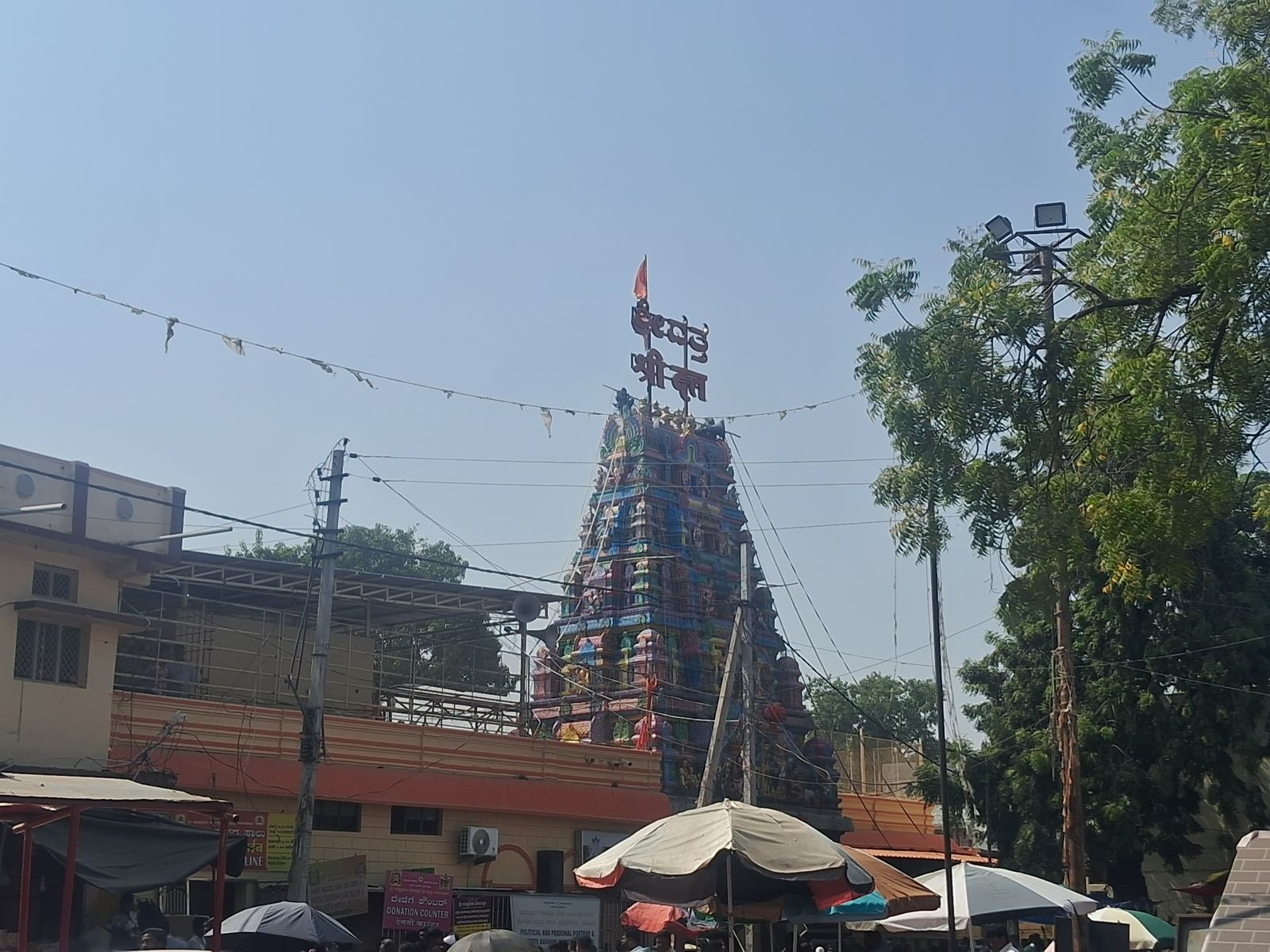
- The Nirguna Math is believed to stand on the site of the math built by the village chief. By custom, darshan of the Nirguna Padukas here is taken through a small window in the sanctum.
Festivals
- Guru Pratipada (Magh Vadya Pratipada): the day Shri Guru left for Shrishail. Ganagapur's biggest festival, with a large yatra (fair).
- Datta Jayanti (Margashirsha Purnima).
- Shri Nrusinha Saraswati Jayanti (Paush Shuddha Dwitiya) and Guru Dwadashi (Ashwin Vadya Dwadashi).
- Every Thursday and Purnima there are large crowds; a palkhi procession goes out at night.
Darshan information
- Ganagapur is in Kalaburagi district of Karnataka. The nearest railway station is Ganagapur Road (Solapur–Kalaburagi line); from there the village is reached by road.
- Bus services are available from Kalaburagi, Solapur and Akkalkot. Devotees usually cover both Datta kshetras, Akkalkot and Ganagapur, in a single pilgrimage.
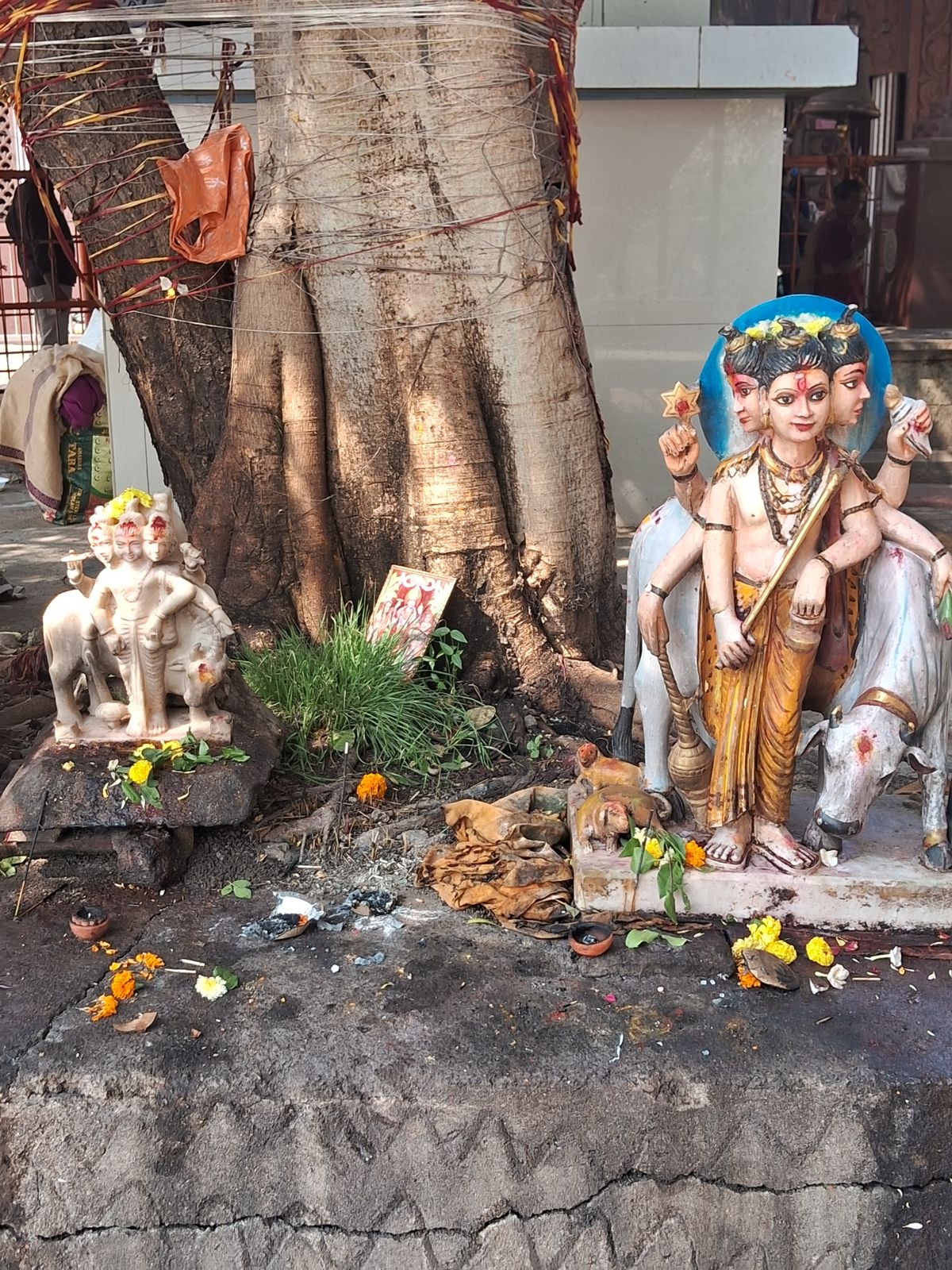
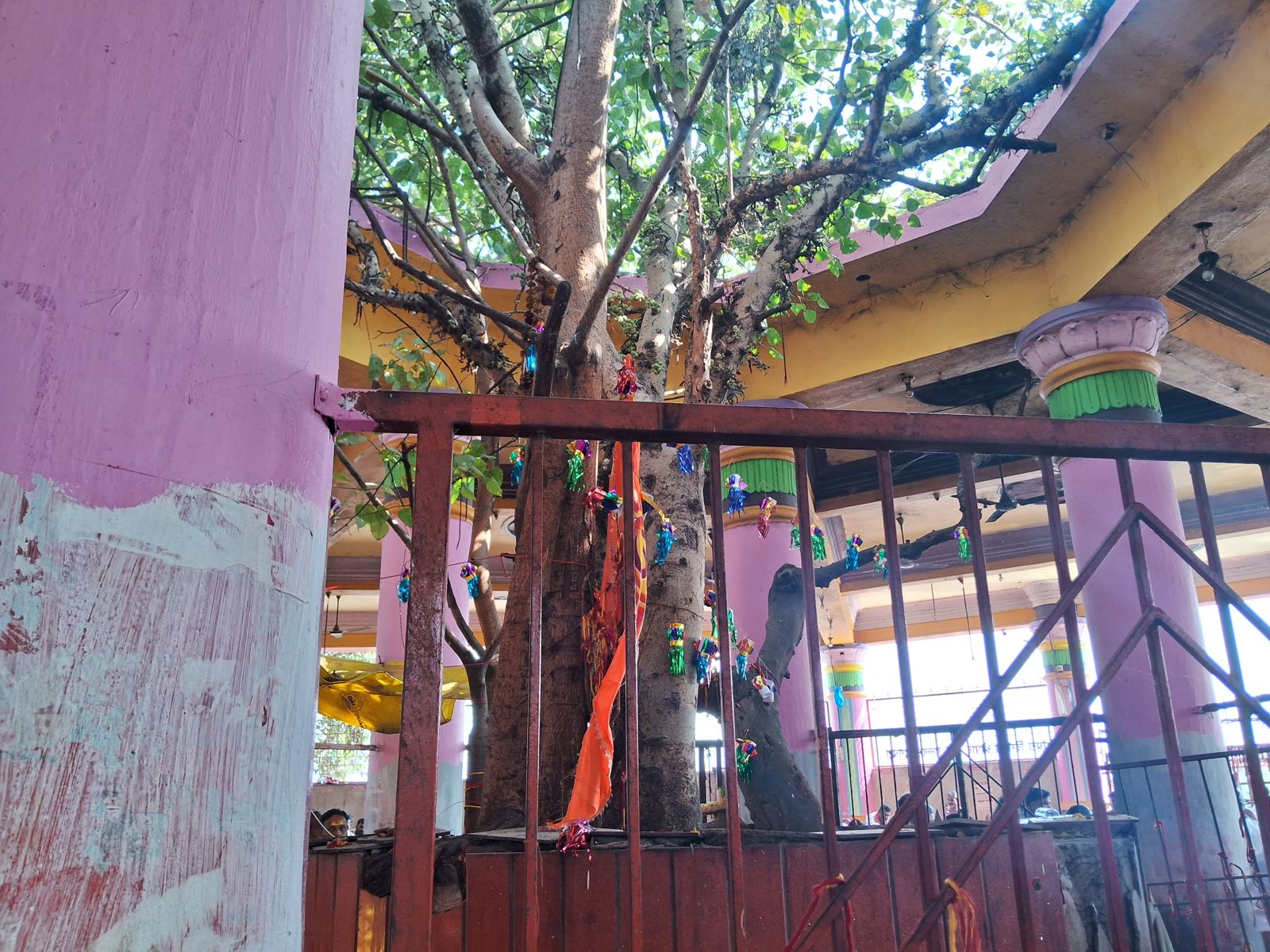
- In the traditional order, devotees first take a bath at the sangam, then do circumambulation of the ashvattha, and then have darshan of the Nirguna Padukas.
Places to visit
- Nirguna Math – the Nirguna Padukas (main temple)
- The sangam and the ashvattha tree
- The eight tirthas
- Kalleshwar temple
- Bhasmacha Dongar (the hill of sacred ash)
Photos